
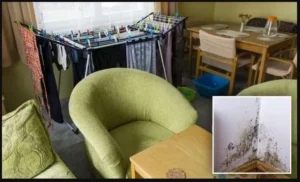
Drying clothes indoors in poorly ventilated spaces can increase the amount of mold growing in your home. This mold is linked to health problems and, in some cases, can even be deadly, according to Science Alert.
When mold grows inside a house, it can create black or green spots on walls and usually produces an unpleasant smell. This should not be ignored, because long-term exposure to mold can have serious health consequences.
Mold is a broad term that refers to a group of fungi that produce tiny particles called spores. These fungi release spores when conditions are right for growth, such as cooler temperatures and high humidity. That’s why mold is often found on bathroom ceilings or damp walls, where moisture allows fungal spores to thrive.
There are many types of mold. The most common types that cause problems in damp homes are penicillium and aspergillus. It is estimated that people inhale a small number of spores from these fungi every day.
Fortunately, the human immune system is usually very good at detecting and destroying fungal spores, which helps prevent lung infections—even though we are constantly exposed to them. Immune cells called macrophages are located in the air sacs of the lungs (known as alveoli), and they absorb anything inhaled into the body, including fungal spores.
The Dangers of Mold for People with Weak Immune Systems
However, many people have immune systems that cannot effectively fight off fungal spores. In these cases, fungi can cause dangerous infections or trigger health problems such as asthma.
People with weakened immune systems are at greater risk of severe fungal infections. Fungi like aspergillus can cause infections in patients with compromised immunity or in those with lung damage from conditions such as asthma, cystic fibrosis, or chronic obstructive pulmonary disease (COPD), which is often linked to heavy smoking.
In people with asthma, the immune system overreacts to triggers—including fungal spores—causing inflammation in the lungs. This inflammation makes breathing more difficult by narrowing the airways.
In extreme cases, fungal spores can not only cause inflammation but also block the airways, leading to bleeding in the lungs. This happens when spores become active and form long, thread-like structures called mycelium, which can create clumps that block air passages and damage sensitive lung tissue.
Growing Resistance to Antifungal Drugs
Infections caused by aspergillus are treated with antifungal medications known as azoles, which stop fungal cells from developing. Azoles are very effective, but increasing cases of resistance to these drugs have been reported—an issue of growing concern.
There is a limited range of antifungal medications available, and when resistance develops, treatment options for patients can be drastically reduced.
Resistance to drugs like azoles can develop in patients who use them for long periods. However, recent studies show that resistance more often develops in the environment where fungi live. This means that by the time a patient is diagnosed with an aspergillus infection, antifungal medications may already be ineffective.
The development of drug resistance in environmental fungi has been linked to the widespread use of azoles and other antifungal agents in agriculture. Fungal infections are a major problem for crops, and the same medications used to treat humans are also used to protect plants.
Climate change may also contribute to increasing drug resistance in environmental fungi. Recent research suggests that exposure to higher temperatures can help fungi develop resistance to common antifungal drugs.
Health Damage Caused by Mold Exposure
While a healthy immune system can usually handle normal exposure to fungal spores, exposure to very large amounts of mold can be fatal—even for people with no underlying health conditions.
In 2020, a baby named Awaab Ishak died after being exposed to high levels of mold caused by severe dampness in his home.
The child’s death led to a change in British law (known as Awaab’s Law), which now requires landlords to act quickly to address damp and mold problems in homes. The goal is to ensure tenants are not exposed to dangerous levels of fungal spores that could harm their physical and mental health.
How to Prevent Mold in Your Home
To keep your home mold-free, it is essential to maintain good ventilation and take steps to reduce indoor moisture. This can include using a dehumidifier or investing in a heated drying rack to dry clothes indoors during the winter.